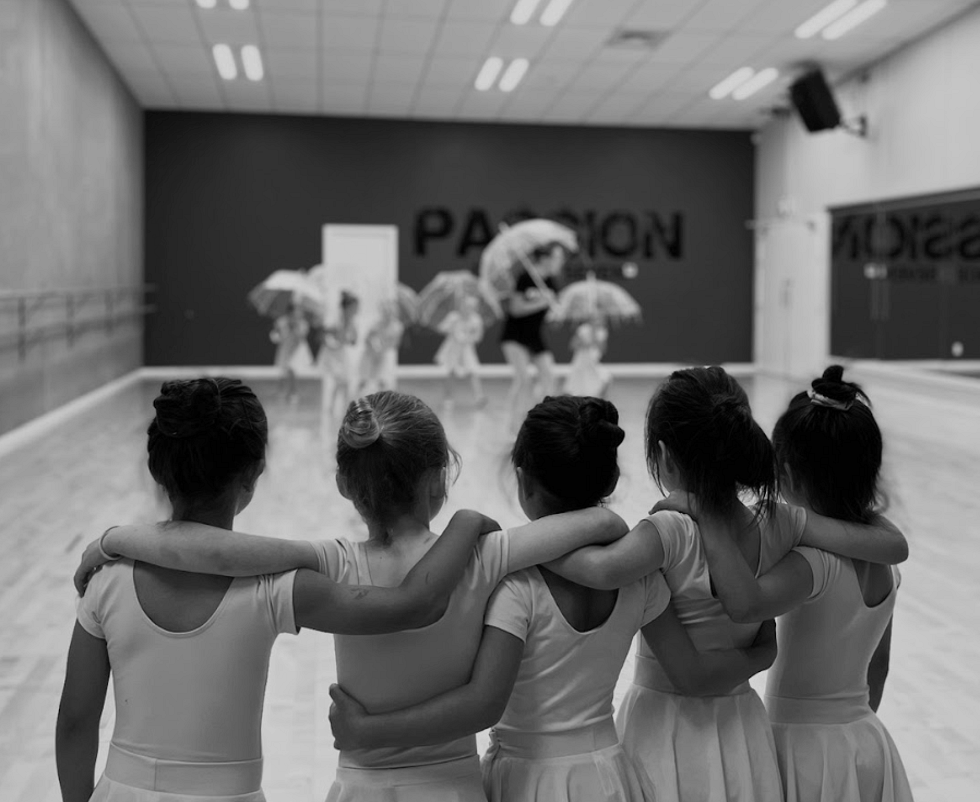
When you watch a room full of toddlers dancing, you see a beautiful whirlwind of giggles, spins, and uncoordinated jumps. It looks like pure, chaotic fun - and it is! But beneath the surface, something incredible is happening.
Every time a toddler reaches across their body to pop a bubble, stomps their left foot while waving their right hand, or claps along to the rhythm, their brain is lighting up like a Christmas tree.
For parents hunting for engaging toddler activities in Auckland, dance offers something far beyond just a fun afternoon out. It is a powerful tool for early childhood development movement that quite literally builds a better brain.
Here is the fascinating science behind how our mini movers dance programs wire your child’s brain for future academic success, focus, and coordination.
The Secret Weapon: Cross-Lateral Movement
Have you ever heard of the "midline"? Imagine an invisible line running straight down the centre of your child’s body, from their head to their toes, separating their left side from their right side.
When a child moves their left hand over to the right side of their body (or vice versa), they are crossing the midline. In developmental science, this is known as cross-lateral movement.
While it sounds simple, crossing the midline requires the left and right hemispheres of the brain to talk to each other. This communication happens across a thick band of nerve fibers called the corpus callosum.
Think of it like building a bridge:
Every time your toddler crosses their midline in dance class, they add another strong cable to that bridge.
The stronger the bridge, the faster and more efficiently information can travel between the two sides of the brain.
From the Dance Studio to the Classroom: Why it Matters
You might wonder how skipping across a studio floor in Whenuapai connects to future schoolwork. The truth is, physical milestones directly lay the groundwork for cognitive ones.
Here is how early cross-lateral movement sets your child up for academic success:
1. Preparing for Reading and Writing
To read a book, a child's eyes must track smoothly from the left side of the page across to the right side - meaning their eyes must cross the midline. To write, their dominant hand must move across the page smoothly. Children who struggle to cross their physical midline often experience delays in reading, writing, and even drawing because their brains are working twice as hard to coordinate the movement.
2. Boosting Focus and Coordination
Ever notice how a quick dance break can calm a restless toddler? Cross-lateral movements stimulate the vestibular system (the inner ear balance system) and release neurotrophins—natural chemicals that stimulate brain growth and improve focus, spatial awareness, and emotional regulation.
3. Mastering Bilateral Integration
Using both sides of the body at the same time is essential for everyday life. Whether it’s buttoning a jacket, cutting with scissors, tying shoes, or riding a bike, the core coordination required is practiced and perfected every single week on the dance floor.
What a "Brain-Building" Dance Class Looks Like
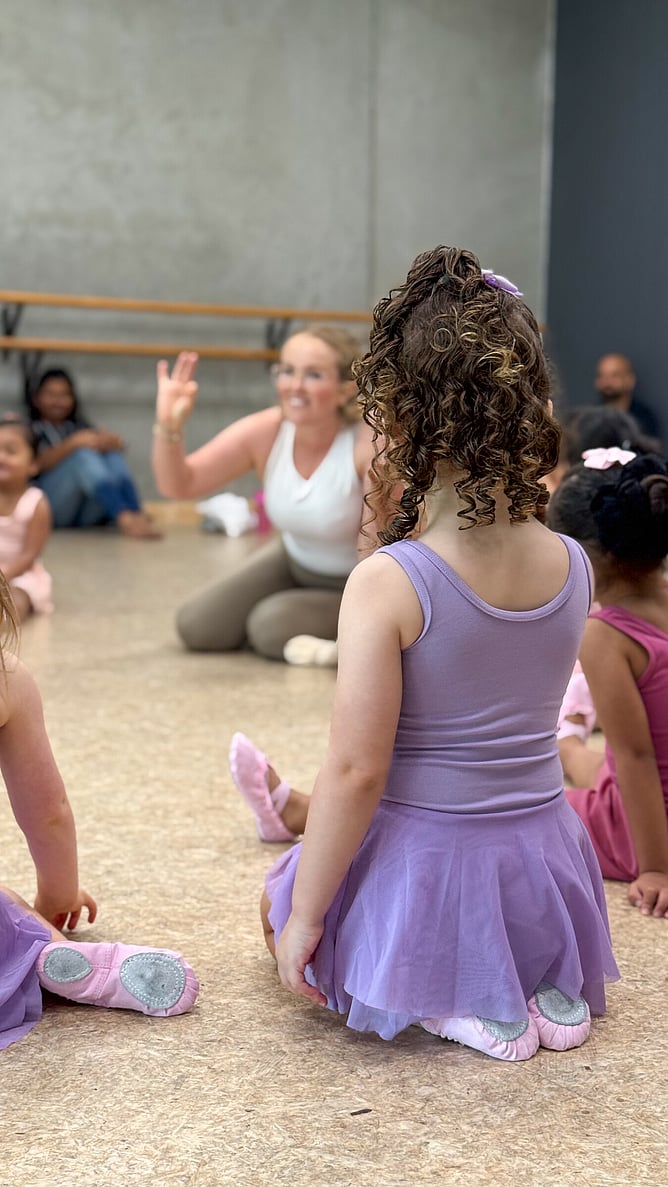
At Dance 24 Seven, we don't expect under-5s to stand in strict lines or memorise complex choreography. Instead, our Mini Movers and Tiny Tots classes are intentionally designed around developmental milestones.
We disguise brain-building exercises as pure play:
Butterflies in space: Dancers are encouraged to move around the space, flying left and right as butterflies and bugs.
Prop Play: Reaching across the body with scarves, ribbons, and maracas to follow a rhythm.
Marching and Clapping: Oppositional movements that require the brain to coordinate the upper and lower body simultaneously.
We do all of this in a safe, custom-built studio with professional sprung wooden floors, ensuring their growing joints are protected while their brains are busy connecting the dots.
Give Your Toddler a Head Start
You don't need flashcards or screens to boost your child’s early development. Sometimes, the best thing you can do for their cognitive growth is to let them move, groove, and cross that midline in a joyful, social environment.
Give your toddler a head start in a nurturing, family-first environment. Claim your free trial for our Mini Movers or Tiny Tots classes today and watch their confidence - and their brainpower - soar!
FAQ (Frequently Asked Questions)
1. What does "crossing the midline" mean, and why does it matter for my toddler?
The "midline" is an imaginary vertical line down the center of your child’s body that divides the left and right sides. Crossing the midline happens when your toddler reaches across their body with their hand or foot to the opposite side (like scratching their right shoulder with their left hand). This movement forces the left and right sides of the brain to communicate. Building these neural pathways early on is vital for daily tasks like writing, putting on shoes, and tracking words across a page from left to right when reading.
2. Can dance classes really help prepare my child for starting school in Auckland?
Yes, absolutely! While it looks like pure fun, our mini movers dance classes lay the essential physical foundations required for the classroom. Activities that practice early childhood development movement help fine-tune bilateral integration (using both sides of the body at once), hand-eye coordination, and spatial awareness. Developing these motor skills early ensures that when your child starts school, their brain can focus on cognitive tasks like reading and writing, rather than struggling with the physical mechanics of holding a pencil or sitting up straight at a desk.
3. My toddler is very clumsy—is a structured dance class suitable for them?
It is the perfect place for them! Toddlers are naturally developing their balance and spatial awareness, which means tumbles and uncoordinated movements are completely normal. Our preschool dance programs focus on teaching body control in a safe environment. Plus, at Dance 24 Seven, our classes are held on professional, custom-built sprung wooden floors. This specialized flooring absorbs impact and protects your toddler’s growing joints, giving them a safe, forgiving surface to build up their stability and confidence.
4. What is the difference between a structured dance class and an open playgroup?
While open playgroups are fantastic for general socialisation, a structured dance class intentionally guides your child through specific developmental milestones. Every song, prop, and game in our classes is chosen with a purpose—whether it's targeting cross-lateral movement, rhythm training, or listening to instructions. It offers a balanced mix of creative freedom and gentle structure that helps prepare toddlers for the routine of kindergarten and school.
5. At what age should my child start dance classes for brain development?
The brain develops at an incredible rate during the first five years of life. Our targeted toddler activities in Auckland start from age 2 with our Tiny Tots and Mini Movers programs. At this stage, your child's brain is highly adaptable, making it the absolute prime time to introduce musicality, social skills, and cross-lateral movements that spark early brain development.