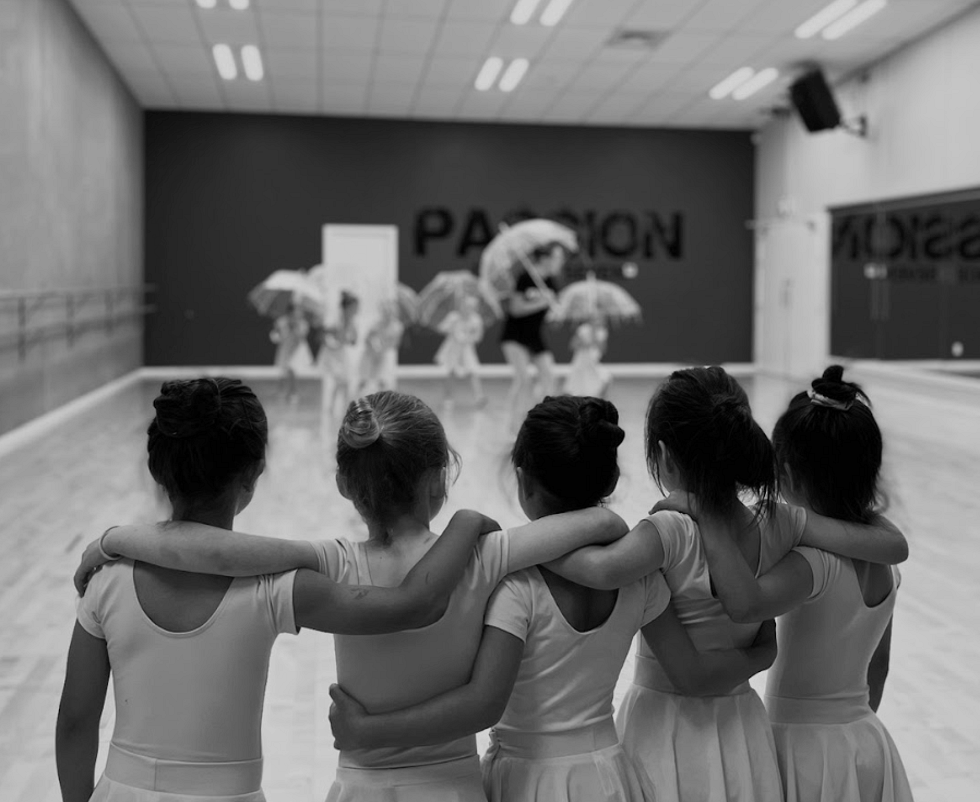
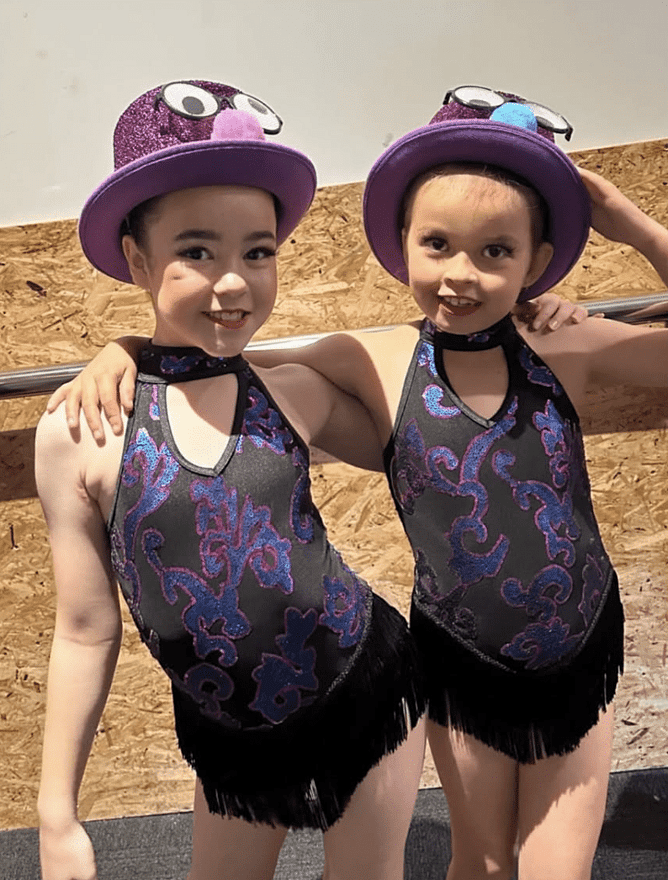
Every year, parents watch their child wait in the wings, stomach in knots, and quietly wonder: is this really necessary? It's easy to see the end-of-year show as an add-on — a nice photo opportunity, but not "real" learning. In reality, the ten minutes your child spends on stage is where everything they've practised all year gets tested, proven, and locked in for good. The classroom builds the skill. The stage is what makes it permanent.
The Stage Is a Classroom Too
Dancing in a familiar studio, in front of a teacher they see every week, is one skill. Dancing under lights, in costume, in front of two hundred strangers, is an entirely different one. Nerves, adrenaline, and unfamiliar surroundings force a dancer to rely on something deeper than memory — genuine muscle-level readiness. That's a lesson no amount of at-home practice can teach.
What Your Child Actually Learns By Performing
1. Real Confidence (Not Just Praise)
Confidence that comes from being told "well done" fades quickly. Confidence that comes from surviving a nerve-wracking moment and succeeding anyway lasts for years.
2. Commitment and Follow-Through
A show has a fixed date. It can't be rescheduled because someone didn't feel like rehearsing. Dancers learn — often for the first time — what it means to work toward a deadline that doesn't move.
3. Working as Part of a Team
Even soloists rely on a full cast, crew, and teacher to bring a show together. Every dancer learns their role matters to the bigger picture.
The Hidden Benefit: Turning Practice Into Permanent Memory
As we covered in Muscle Memory: The Science of Why Practice Makes Permanent, skills only become truly automatic once they've been tested under real pressure. Performing on stage is the single most effective way to cement a year of technique into long-term memory — far more powerful than another quiet run-through in the lounge.
How to Support Your Dancer Before Showtime
Rehearse the full routine in an open space, not a cramped hallway
Prioritise sleep in the two nights before the show — this is when the brain locks in movement
Avoid last-minute correction; confidence matters more than perfection now
Arrive early so there's zero rush backstage
Give Your Child Their Moment
Every dancer deserves to feel what it's like to finish a routine, take a bow, and hear an audience clap for them. It's a moment of pure, earned pride — and it's one they'll remember long after they've forgotten the choreography.
FAQ (Frequently Asked Questions)
My child is shy — should they still be in the show?
Yes. Shy dancers often benefit the most, as the show gives them a structured, supported way to build confidence in front of others — usually more effective than years of general encouragement.
What if they forget the routine on stage?
It happens, even to experienced dancers. Our teachers position confident dancers throughout the formation so no one is ever left without a visual cue nearby.
Do all classes perform in the end-of-year showcase?
Yes, every enrolled class has a place in the show — there's no separate audition required to take part.
How can I help with backstage nerves?
Keep the conversation light, avoid over-rehearsing on the day, and remind them the goal is to have fun, not to be perfect.
When do rehearsals for the show begin?
Rehearsals ramp up in the final term. Enrolling now ensures your dancer is fully prepared and included from day one. Keep up to date with Studio newsletters and emails to make sure you have all the information you need.
Watching your child find their courage on stage is one of the best parts of being a dance parent — and it starts with a single class.